
Federal False Claims Act Defense Attorneys & Whistleblower Defense Lawyer
Former DOJ + Government Contract Officials | We Defend Contractors and Companies, Not Whistleblowers
Call 1.866.601.5518. Our Lines are Open 24/7
 If your company is under investigation under the False Claims Act, you are not dealing with a routine compliance issue – you are facing a case that can threaten your contracts, licenses, and leadership. You need federal False Claims Act attorneys who understand both how DOJ and OIG build these cases and how your government contracts or healthcare operations actually work.
At Watson & Associates LLC, we only represent defendants in False Claims Act and whistleblower matters – corporations, executives, owners, and healthcare providers – never qui tam relators. Our team combines former DOJ prosecutors, former federal procurement officials, and experienced government contracts and healthcare counsel who have spent decades in the same agencies now investigating you.
-
Nationwide False Claims Act defense for government contractors, healthcare providers, PPP borrowers, and regulated companies.
-
Former DOJ / U.S. Attorney’s Office lawyers who know the government’s playbook in FCA and qui tam cases.
-
Deep procurement and program experience, so we can explain your contracts, billing, and compliance decisions in the language agencies understand.
Immediate help: call 1.866.601.5518 to speak with a federal False Claims Act attorney about your subpoena, Civil Investigative Demand, or investigation.
Who We Defend In False Claims Act Matters
We serve corporate and institutional clients nationwide that depend on federal funding or contracts, including:
-
Federal government contractors and defense contractors (prime and sub)
-
SBA 8(a), SDVOSB, HUBZone, and other small business program participants
-
Hospitals, physician groups, labs, pharmacies, and other healthcare providers
-
Pharmaceutical, medical device, and biotech companies
-
PPP borrowers and federal grant recipients
-
CEOs, CFOs, compliance officers, and other executives named individually
This page is for in‑house counsel, owners, and executives searching for a False Claims Act defense lawyer, federal False Claims Act & whistleblower lawyer, or false claims litigation lawyers handling DOJ investigations of defense contractors and healthcare companies.
Federal Insiders on Our Team
Carolyn L. Oliver, Of. Counsel (California Lead – Former DOJ Major Frauds Section Prosecutor)
 Carolyn L. Oliver brings over 40 years of distinguished legal experience, including her tenure as an Assistant United States Attorney in the Major Frauds Section of the U.S. Attorney’s Office for the Southern District of California. This is not just experience—it is insider knowledge of the very office that investigates and prosecutes the most significant False Claims Act cases in California.
“Having prosecuted major fraud cases for the DOJ in California, I know exactly how Assistant U.S. Attorneys build their cases, where their weaknesses lie, and what arguments are most effective in persuading them to decline charges or agree to a favorable settlement. This is the perspective we bring to every client we defend.” – Carolyn L. Oliver
Her background as a federal prosecutor in California provides our clients with an unparalleled advantage. She has been on the other side of the table and knows the government’s playbook inside and out. This is the expertise you need when facing a federal investigation in California. Read more…
Chris Mancini – Counsel (Former DOJ Attorney and Prosecutor)
 Chris Mancini, Counsel, brings 45 years of legal experience to Watson & Associates to support the firm’s federal white collar defense attorney services, including eight years as an Assistant U.S. Attorney in the Southern District of Florida (DOJ), where he served as Deputy Chief of both the Criminal Division and Civil Division.
Chris Mancini specializes in navigating the complexities of the federal court system, providing legal advice, investigating cases, and building strong defense strategies to protect the firm’s clients’ rights and achieve the best possible outcome.
If you have been indicted under 18 USC 287 for a federal white collar crime, you should hire experienced white collar crime lawyers to protect your rights and fight back. Read more.
Robert “Bob” Ayers – Of Counsel (Corporate Defense Attorney)
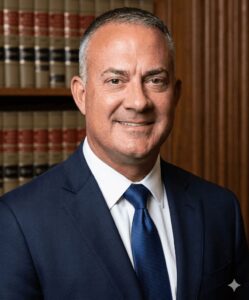 With over 20 years of experience in high-stakes federal cases, Bob Ayers has represented corporate executives, public officials, and in-house counsel in matters involving fraud, bribery, obstruction of justice, and other financial and regulatory offenses.
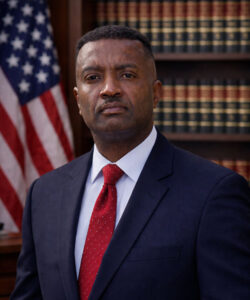 Speak to National Practice Leader, Retired U.S. Air Force Veteran, Theodore Watson (Over 23 Years of Federal Practice – Admitted to the Supreme Court of the United States.
- He oversees Federal False Claims Act Defense Lawyers Nationwide
For a FREE Initial Consultation, call 1.866.601.6618 and speak to Mr. Watson. When you’re under federal investigation, time is not on your side.
What You Can Expect When You Call
You should know exactly what will happen after you contact us about a False Claims Act investigation.
-
Same‑Day Triage Call
We review what you received (CID, DOJ subpoena, target letter, qui tam complaint, or indictment), which agency is involved (DOJ Civil, OIG, USAO, DCIS, SBA OIG, HHS‑OIG), and which contracts or claims are at issue. You leave that call with immediate “do this / do not do this” guidance to stop avoidable damage in the first 48–72 hours. -
Seven‑Day FCA Defense Roadmap
We analyze the allegations, your contracts or program participation, and your billing or claim patterns. You receive a written plan covering: preservation and internal holds, internal fact‑gathering, initial government contact, and how to manage employee communications and public messaging. -
Integrated Strategy: Civil, Criminal, and Business Risk
We evaluate civil False Claims Act exposure, potential criminal theories (such as 18 U.S.C. 287, wire fraud, or health care fraud), and collateral risks such as suspension, debarment, exclusion, and licensing. Every recommendation is made with one question in mind: how does this decision affect your case and your ability to stay in business with the government? -
Regular, Executive‑Level Communication
We brief leadership in plain language on what the government is signaling, how serious the matter is, and your best options at each stage – from investigation through potential false claims litigation. You will not be left guessing where you stand.
How Do I Find a Corporate Attorney To Represent My Company in a False Claims Act Investigation?
Executives usually search at the worst possible time – after a Civil Investigative Demand or subpoena has arrived. When choosing a corporate false claims act investigation attorney for your company, focus on four things:
-
Proven FCA defense background, not general litigation.
The lawyer or firm should regularly act as False Claims Act defense counsel for companies, not primarily for whistleblowers. Look for experience with DOJ Civil Fraud, OIG investigations, qui tam cases, and parallel criminal matters. -
Industry‑specific knowledge.
For defense contractors, that means real knowledge of FAR, DFARS, SBA rules, and cost/pricing standards. For healthcare providers, that means a track record with Medicare, Medicaid, Anti‑Kickback Statute, and Stark Law cases. -
Former government experience plus defense.
Teams that include former DOJ, U.S. Attorney’s Office, or agency lawyers often understand how intervention decisions are made and how to position your case for declination or favorable settlement. -
Ability to manage both the law and the business impact.
Your False Claims Act attorney should be prepared to coordinate with your board, lenders, and insurers, and to protect contracts, licenses, and public reputation while defending the case.
Our firm is built around those criteria: we represent companies and executives in False Claims Act investigations and litigation, with former DOJ prosecutors and former procurement officials on the same defense team.
Nationwide Federal False Claims Act Defense Attorneys & Government Fraud Federal Defense Team
Firm’s Lead Federal Criminal Defense Lawyers

Speak to National Practice Leader, U.S. Air Force Retired Veteran, Theodore Watson (Over 23 Years of Federal and Procurement Practice) – Admitted to the Supreme Court of the United States.
- He oversees Federal False Claims Act defense lawyers nationwide, Medicare fraud False Claims Act defense attorneys and qui tam defense lawyers and a team of government fraud attorneys.
Speak Directly to Theodore Watson. Top Federal False Claims Act defense lawyer for small businesses and large corporations nationwide.
Chris Mancini – Counsel (Former DOJ Attorney)
Chris Mancini, Counsel, brings 45 years of criminal law experience to Watson & Associates, to support the firm’s federal white collar defense False Claims Act attorney services, including eight years as an Assistant U.S. Attorney (Former DOJ Prosecutor) in the Southern District of Florida (DOJ), where he served as Deputy Chief of both the Criminal Division and Civil Division.
Chris Mancini specializes in navigating the complexities of the federal court system, providing legal advice, investigating False Claims Act and conspiracy cases, and building strong defense strategies to protect the firm’s clients’ rights and achieve the best possible outcome as a federal False Claims Act lawyer.
Mancini assists the Watson team with federal civil and criminal matters throughout the United States. His background as a former DOJ attorney and prosecutor aligns with the firm’s emphasis on attorneys with federal agency experience. Mancini’s understanding of federal law enforcement agencies and white collar defense enhances the firm’s capabilities in representing clients facing federal investigations and criminal prosecutions. His combination of federal prosecution experience and defense practice provides clients with representation from an attorney who understands both sides of federal criminal cases. If you have been indicted for a federal white collar crime, you should hire experienced white collar crime lawyers to protect your rights and fight back. Read more.
Carolyn L. Oliver – Counsel (Former DOJ Attorney)
 Of Counsel to Watson & Associates, LLC: Carolyn L. Oliver brings over 40 years of distinguished legal experience to Watson & Associates’ Federal White Collar Defense and Investigations practice. As a former DOJ Prosecutor and Assistant United States Attorney in the Major Frauds Section of the U.S. Attorney’s Office for the Southern District of California, Oliver provides clients with representation from a federal white collar criminal defense attorney who has prosecuted the very types of cases she now defends. Her extensive federal prosecution background, combined with her proven track record in complex criminal defense, positions her as a formidable advocate for corporations, CEOs, and individuals facing high-stakes federal False Claims Act investigations.
Carolyn is a recognized leader in criminal defense and False Claims Act defense lawyer, known for her fierce courtroom advocacy and unwavering commitment to justice. She has successfully defended countless clients, earning a reputation for results-driven strategies and compassionate client care. As Of Counsel to Watson & Associates’ Federal White Collar Criminal Defense and Investigations practice, Oliver focuses her practice on representing companies and individuals in federal criminal and civil investigations and prosecutions by government enforcement agencies, as well as complex federal litigation related to 18 USC 287 & 31 USC 3729 – 3733. She also advises companies on high-profile, complex, and sensitive internal investigations. Read more…
Robert “Bob” Ayers – Of Counsel. (Corporate Defense)

Wise D. Allen Counsel. (Federal Defense Lawyer)
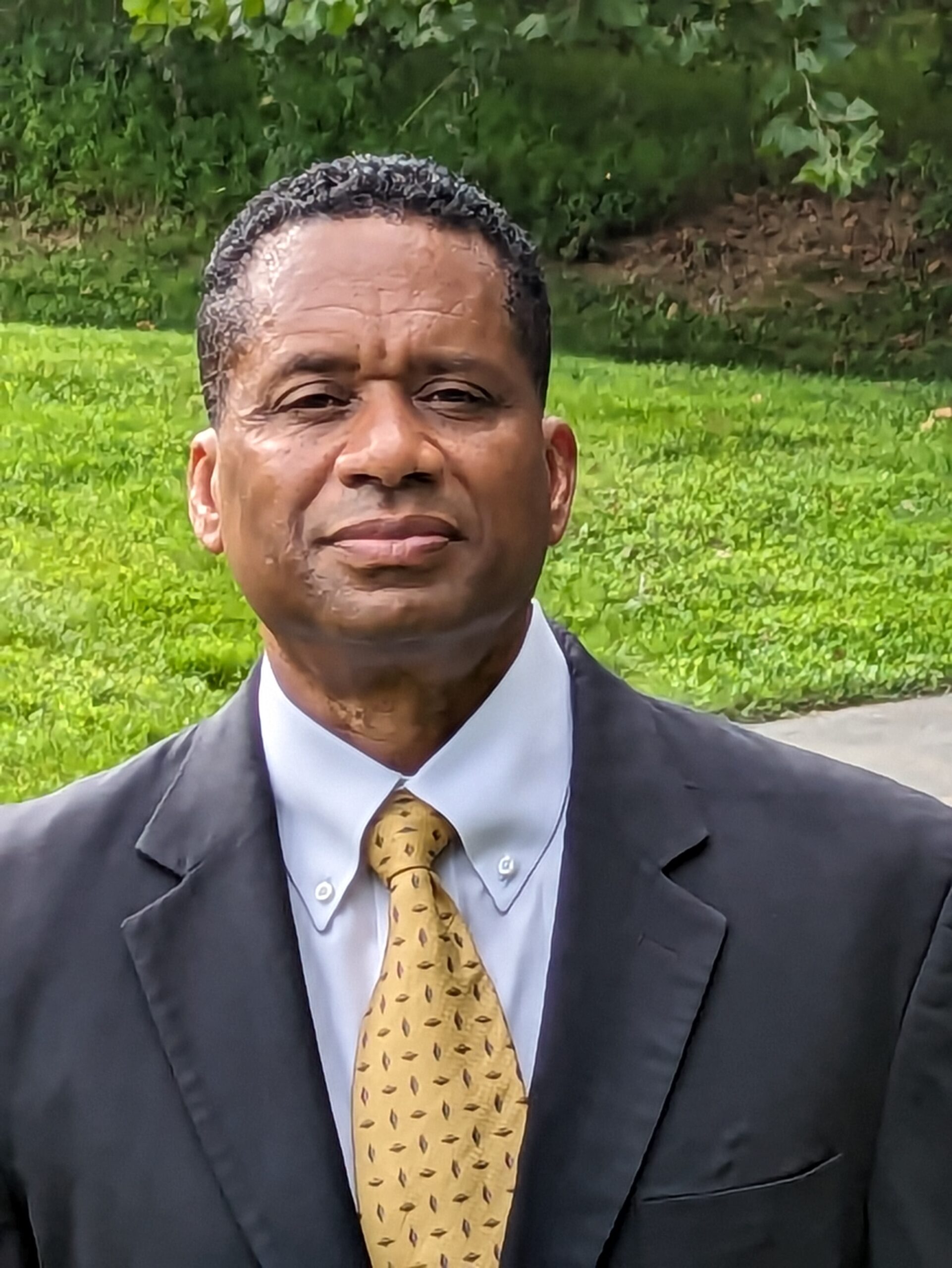 Wise D. Allen, Esquire , Counsel, is a former Veteran Lieutenant Commander Judge Advocate for the United States Military. He also has extensive knowledge and experience in resolving corporate defense and litigation in vast international and national legal issues.
He brings a wealth of successful experience to government contractors seeking defense counsel in the various areas of procurement fraud, international contracting, False Claims Act defense, and more.
Mr. Allen’s federal litigation experience as a former appellate attorney representing the United States and federal attorney for defendants in trials that led to his clients receiving overwhelmingly favorable outcomes in contested issues and obtaining non-contested resolutions. Read more..
How Federal False Claims Act Cases Work: The Legal Process Explained
Were you raided with a search warrant – was it valid? Find out more.
Which Attorneys Handle DOJ False Claims Act Investigations for Defense Contractors?
DOJ investigations against defense contractors usually involve government contracts, pricing, or small‑business program issues, so they are not well‑served by general white‑collar firms that do not understand procurement. The most effective attorneys and law firms handling DOJ False Claims Act investigations for defense contractors have three things in common:
-
They regularly represent defense contractors and federal government contractors in False Claims Act and procurement fraud matters.
-
They combine government contracts lawyers and False Claims Act defense lawyers on the same team, so contract interpretation, pricing rules, certifications, and performance issues are properly explained.
-
They can manage parallel tracks: FCA investigation, possible criminal exposure, and suspension or debarment risk with DoD, VA, DHS, or other agencies.
At Watson & Associates, our defense contractor fraud lawyers and procurement fraud attorneys work side by side with former DOJ prosecutors in False Claims Act matters, specifically for federal and defense contractors.
How False Claims Act Cases Typically Unfold
While every matter is different, most False Claims Act investigations follow a predictable pattern.
-
Under‑seal qui tam complaint or agency referral. A whistleblower or agency reports suspected fraud involving federal funds or contracts.
-
Civil Investigative Demand (CID), subpoena, or informal inquiry. DOJ or OIG starts collecting documents, data, and testimony.
-
Government evaluation and intervention decision. DOJ decides whether to intervene, decline and let the relator proceed, or close the matter.
-
Civil suit, settlement negotiations, or parallel criminal case. Depending on the facts, you may face civil False Claims Act litigation, criminal charges, or both.
Our role as your False Claims Act investigation attorney is to influence each of those steps – narrowing the issues, challenging “knowing” and “material” elements, and advocating for civil‑only or declination outcomes wherever possible.
Defense Strategies We Commonly Use
Using the experience already reflected in your current page, but presented more directly:lw+2
-
Challenging scienter (“knowingly”). We show good‑faith interpretations of complex regulations, reliance on expert advice, and real compliance efforts.
-
Attacking materiality. We focus on whether the alleged misstatement truly mattered to the government’s payment decision, especially where agencies knew of issues and continued paying.
-
Narrowing claim counts and damages. We scrutinize whether multiple invoices or encounters should be treated as separate “claims” and dispute inflated damage theories.
-
Managing collateral risks. We address exclusion, suspension, and debarment risk early, working with agency officials to preserve your ability to participate in federal programs.
These strategies are implemented differently for government contractors, healthcare providers, and financial or grant recipients, but the core objective is the same: reduce or avoid liability while protecting the business.
Strategic FAQ for CEOs & Executives Facing Federal False Claims Act Action
1. What should I expect within the first 48 hours of receiving a DOJ subpoena or Civil Investigative Demand (CID)?
The first two days are the most critical. Federal investigators may begin reviewing company records, interviewing employees, or contacting business partners. Actions taken during this time can affect your outcome. A quick, informed response led by experienced FCA counsel can prevent irreversible mistakes.
2. What are the most common missteps executives make during a federal investigation?
Many executives talk to investigators without legal guidance, allow incomplete disclosures, or delete data. Even unintentional actions can appear obstructive. The smartest move is to preserve all documents and involve counsel before any contact occurs—showing cooperation without compromising defense strength.
3. How serious are billing, compliance, or reporting mistakes if there was no intent to commit fraud?
Intent is often unclear at first. Although some False Claims Act cases begin as administrative audits, they can escalate quickly if data appears misleading or incomplete. An attorney can demonstrate that discrepancies were administrative—not deliberate—potentially preventing criminal escalation.
Time Equals Leverage. If you’ve been served with a subpoena, CID, or indictment, every hour matters.
Call (866) 601‑5518 now to speak directly with a senior federal criminal defense attorney— our lines are available 24 hours, 7 days a week where you can set up an appointment to speak to an attorney
4. How likely is it that my business or I will be suspended from federal contracting after an indictment?
Suspension or debarment risk depends on how the response is handled. Early engagement with agency suspension officials can reduce business disruption and demonstrate compliance improvements. Legal teams experienced in federal contracting can advocate for reinstatement while defending the core claims.
5. Are dismissals or negotiated settlements possible in FCA cases?
Yes. Favorable resolutions often result from presenting strong compliance evidence or procedural flaws in the government’s case. The right strategy may convert a criminal inquiry into a civil one—protecting corporate reputation and executive freedom.
6. Why do prosecutors target company executives personally—and can accountability be shared or shifted?
Under federal law, decision-makers tied to billing, certifying, or managing contract performance can be held individually accountable. A defense strategy focused on governance structure and delegation of authority can often limit personal liability exposure.
7. How fast must I respond to a federal subpoena or CID, and what deadlines are non‑negotiable?
Deadlines are short—typically 10 to 20 days. Late or incomplete responses can escalate investigations and narrow your options. Immediate counsel intervention ensures a structured response and avoids waived rights.
8. Does working with a top‑tier FCA defense team truly make a difference?
Experience at the DOJ or with complex federal litigation directly informs negotiation strategy and procedural awareness. Firms with federal‑side experience often anticipate agency tactics, identify weak evidence early, and manage parallel civil and criminal matters—all critical to minimizing damage.
If you’ve been subpoenaed, received a CID, or were named in a federal indictment, time is a decisive factor.
Call (866) 601‑5518 for immediate consultation with a senior federal defense attorney—your first step toward protecting what you’ve built.
Realistic Questions CEOs, Contractors, and Providers Ask
1. What should I do if I receive a Civil Investigative Demand (CID) or target letter?
Contact legal counsel before responding. Every statement, document, or email can be used to expand the scope of the case. Our team ensures your responses are timely, accurate, and strategically limited to avoid unintentional admissions.
2. Can DOJ or OIG investigations turn civil inquiries into criminal cases?
Yes. Parallel investigations are common. Immediate involvement of counsel can help keep matters civil and prevent escalation to a criminal indictment.
3. What if my company cooperated fully but was still charged under the False Claims Act?
Cooperation does not equal immunity. We develop evidence‑driven strategies to show lack of intent (“scienter”) and good‑faith compliance—two key factors that often determine whether a case results in settlement or dismissal.
4. How do I protect my federal contracts or medical licenses during the process?
Our attorneys intervene early to mitigate suspension or debarment risks and work with agencies to preserve operational continuity while your defense is ongoing.
5. Are whistleblower cases always public?
Not initially—many begin under seal. Our firm monitors qui tam filings that target clients and acts discreetly to handle the matter before it becomes public or damages reputation.
See How the DOJ Decides Whether to Intervene in a Qui Tam Case Against Your Company
Nationwide Federal False Claims Act Law Firm for Government Contractors, Healthcare Fraud Defense, Whistleblower Defense Lawyer
Hiring a white collar defense lawyer or federal False Claims Act attorney near you? Our federal white collar criminal defense attorney can provide legal defense in most states including Alaska, Alabama federal false claims act defense lawyer, Arizona, Arkansas, California, Colorado, Connecticut, Delaware, Florida, Georgia, Guam False Claims Act defense lawyer, Hawaii, Illinois government contract False Claims Act and procurement fraud, Indiana, Kansas federal FCA lawyers, Louisiana 18 USC 287 & 31 USC 3729 – 3733 Criminal Defense attornneys , Maine federal false claims act lawyers for healthcare fraud, Maryland federal medical fraud defense lawyers, Massachusetts, Michigan federal False Claims Act lawyers, Minnesota fraud attorneys, Mississippi false claims act law firm, Missouri whistleblower defense lawyer, Montana, Nebraska, Nevada, New Hampshire healthcare fraud defense lawyers, New Mexico healthcare enforcement action defense lawyer, New York false claims act attorney, North Carolina, 18 USC 1347 medical fraud lawyers in Ohio, Oklahoma federal False Claims Act lawyer, Pennsylvania, Rhode Island, South Carolina, Federal Tennessee FCA Lawyers, Texas false claims act defense, U.S. Virgin Islands, Utah, Vermont, Virginia 18 USC 287 & 31 USC 3729 – 3733 Defense lawyers, Washington, Washington DC federal false claims act healthcare fraud criminal defense lawyer, West Virginia, Wisconsin, and Wyoming.
Our federal False Claims Act defense lawyers can represent clients and assist companies including Anchorage, AK; Atlanta, GA; Austin, TX; federal Baltimore False Claims Act attorneys and whistleblower defense lawyer, Chicago, IL; Colorado Springs, CO; Dallas False Claims Act whistleblower defense lawyer, TX; Denver, Colorado; Indianapolis, IN; Las Vegas, NV; Los Angeles, CA; federal Miami False Claims Act defense law firm, 31 USC 3729–3733 and 18 USC 287 lawyers, FL; Philadelphia, PA; federal Houston false claims act attorneys, 18 USC 287 & 31 USC 3729 – 3733 Defense, TX False Claims Act, San Antonio False Claims Act Lawyers healthcare fraud defense attorneys , TX; San Diego false claims act defense attorney, CA; Mobile; Al; Montgomery False Claims Act Attorney; AL; new york false claims act attorney; Tampa false claims act defense lawyers, & qui tam defense lawyer; Huntsville, AL; San Francisco False Claims Act lawyer , CA; San Jose fraud criminal defense lawyer, CA; Sacramento False Claims Act attorney, CA; Gainesville, FL false claims act law firm and whistleblower defense lawyer; Fort Lauderdale federal FCA attorney , FL; Santa Clara, CA; San Antonio FCA criminal defense attorneys, and Tampa, FL
Call a Federal False Claims Act Attorney Now
Call 1-866-601-5518 now for your free consultation with our experienced False Claims Act defense attorneys and whistleblower defense lawyers. led by a federal lawyer and defense team who understand the Federal False Claims Act defense from both sides of the courtroom. Speak to Theodore Watson, Lead False Claims Act Whistleblower defense lawyer. We will help you understand your exposure, map your options, and start protecting both your case and your company.
START DEFENDING YOUR CASE NOW — Speak with a Federal Defense Lawyer Today